
Reports arrive too late
By the time a loss appears in an end-of-shift report, the chance to recover that output has passed.
Recover the production your sewing floor is currently losing.
Connect your existing industrial sewing machines and see, in real time, where output is being lost by machine, operator, operation and line. Correct bottlenecks before the shift is over.
Most factories know when a line misses its target. The difficult part is identifying the cause quickly enough to correct it.
By the time a loss appears in an end-of-shift report, the chance to recover that output has passed.
Totals show that a target was missed, but not whether waiting, balancing, materials, skills or a machine caused it.
Manual records rarely separate genuine sewing from waiting, small stops and unplanned downtime.
Developing load, vibration and temperature problems often become visible only after production stops.
Without operation and operator-level cycle data, skill matching and line balancing rely on incomplete information.
Factory leaders can see output, but not the live chain of causes behind lost capacity.
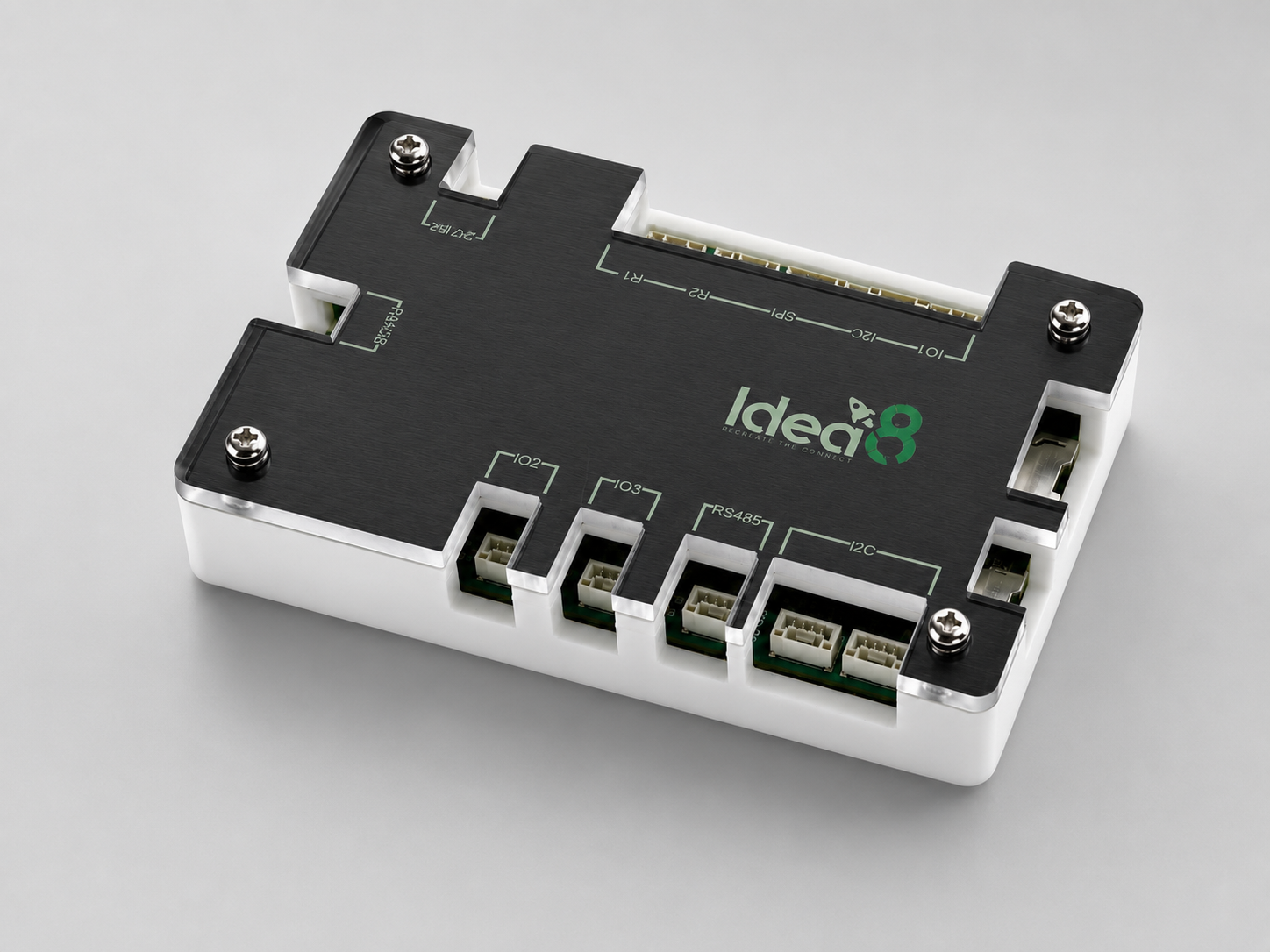
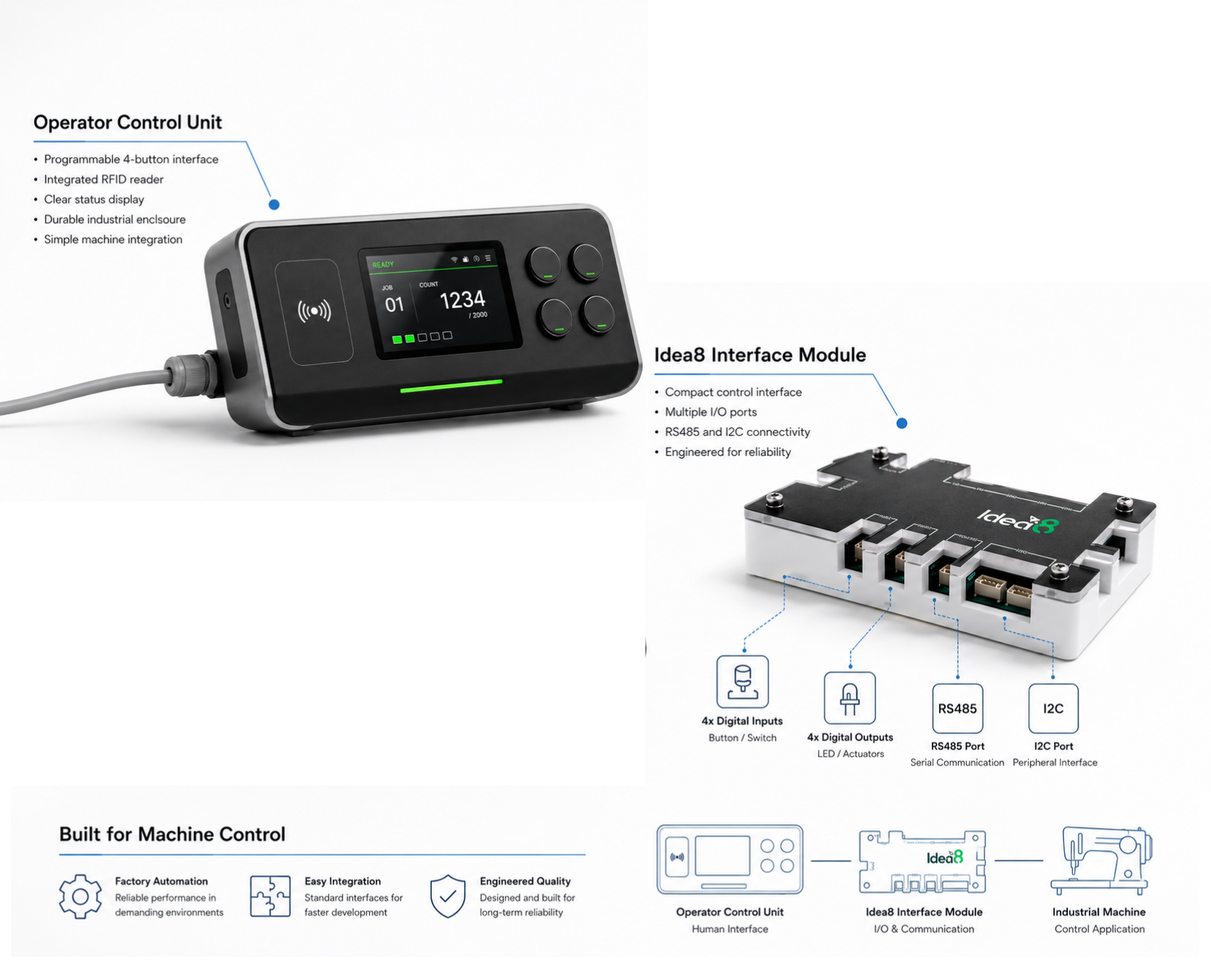
A compact retrofit system converts machine activity into information that production, IE and maintenance teams can act on.
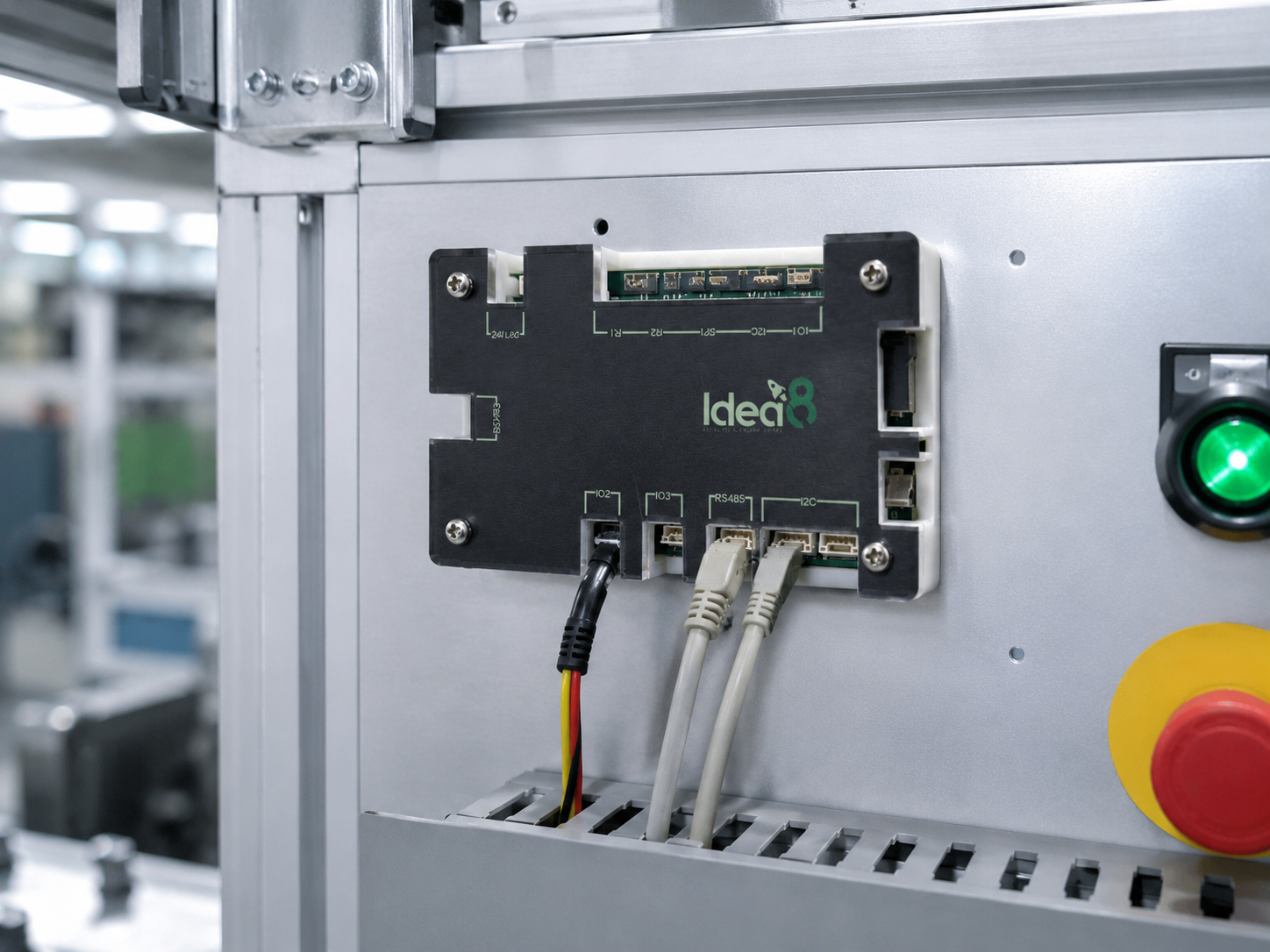
Install the external module without modifying the machine's internal control wiring.
Capture the operating signature and establish the expected pattern for the sewing operation.
Analyse status, cycles, idle time, vibration, load and temperature continuously.
Give supervisors, mechanics and managers live dashboards, alerts and production insight.
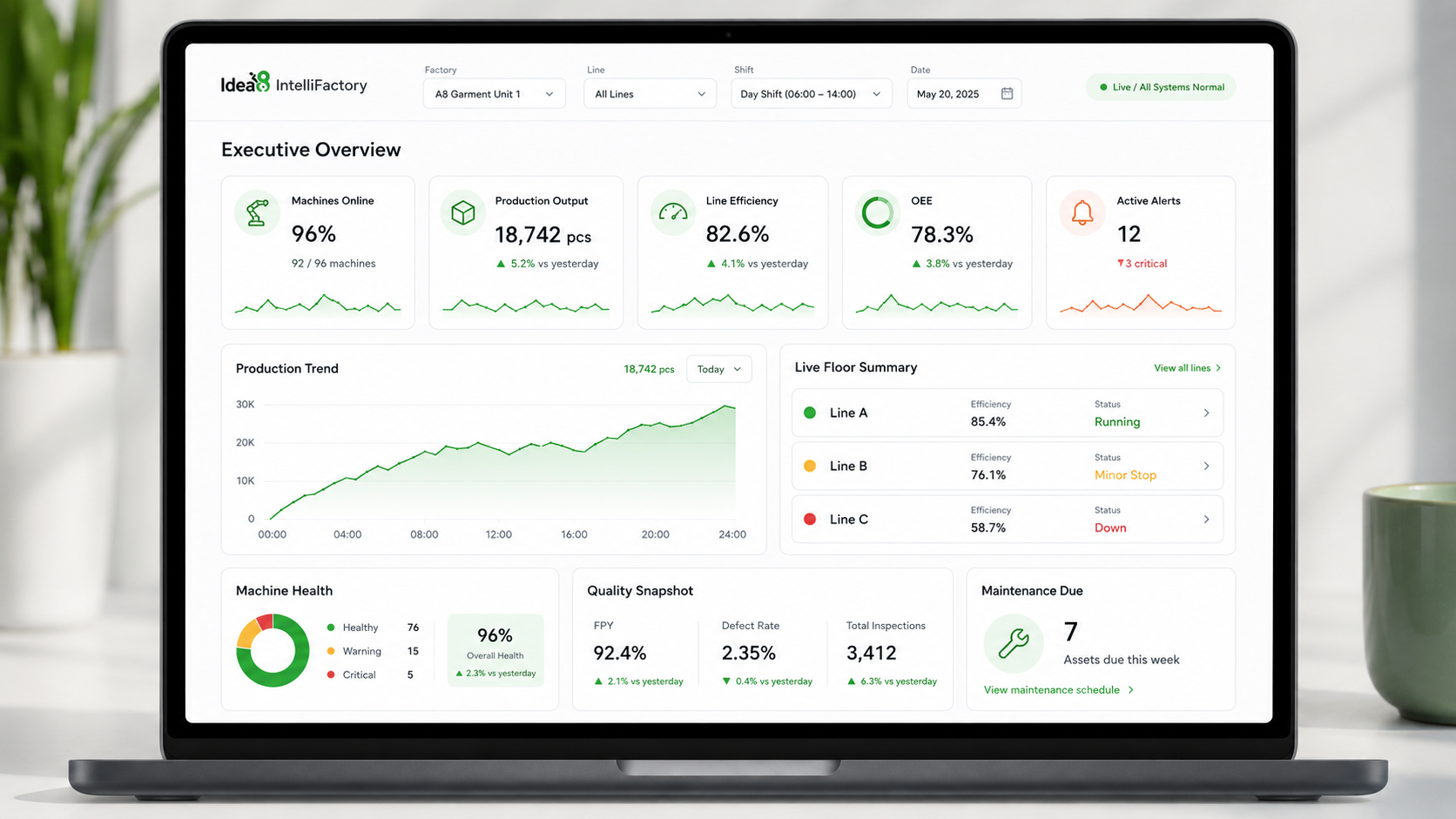
Each signal is connected to an operational decision your team can make while production is still running.
Separate real sewing activity from waiting, material delays, balancing losses and unplanned stops.
Compare cycle time and output by operation to see where work in progress is accumulating.
Use measured performance to support skill matching, targeted training and stronger line balance.
Flag unusual load, vibration and temperature patterns before they become major interruptions.
Record operator calls and the time mechanics, supervisors or material handlers take to respond.
Replace estimates and delayed records with consistent machine-generated information.
The published deployment figure is the proof available today. Factory compatibility, installation scope and verified customer outcomes are reviewed during the live demonstration and assessment.
The dashboard changes the decision, not just the display. Each team sees the information it can act on.
Factory output, target attainment, line performance and the largest active production risks.
Real-time work in progress, developing bottlenecks, delays and projected shift completion.
Cycle-time comparison, operator capability, balancing opportunities and operation performance.
Machine alerts, service calls, response time and developing mechanical anomalies.
Live machine status, operator calls, missed targets and immediate corrective actions.
No vague automation claims. IntelliFactory uses machine data to improve specific production and maintenance decisions while people remain in control.
The system learns the motion and vibration signature of a sampled sewing operation, then classifies machine activity against that pattern.
Load, vibration and temperature patterns are compared with expected behavior to surface deterioration or incorrect setup for review.
Live rate, remaining quantity and historical cycle time are used to estimate whether a line will meet the shift target.
Adjust the assumptions to build a conservative first-pass business case for your factory.
Planning estimate only. It uses your assumptions and published starting prices. Installation, integration, taxes, financing, rework savings and downtime avoidance are excluded until a factory assessment confirms them.
Select one production area, establish a baseline and use live data to quantify the losses that can be recovered.
Data-capture accuracy, visibility of idle and working time, bottleneck identification, maintenance response, recoverable production opportunity and estimated deployment payback.
The retrofit, data path and access model are reviewed with production, engineering and IT before deployment.
Wireless communication with no modification to internal machine control wiring.
Edge processing continues collecting data during internet interruptions.
Secure device identity, encrypted transmission and role-based dashboard access.
API and agreed data interfaces for ERP or existing production systems.
IntelliFactory is designed as a retrofit system for existing industrial sewing equipment. Compatibility is confirmed during the initial assessment.
The standard installation does not modify the machine's internal control wiring. Final requirements depend on machine type and the available power source.
Local edge processing continues collecting and analysing machine data. Stored information is synchronized when connectivity returns.
Yes. Integration can be provided through APIs and agreed data interfaces after the existing system is reviewed.
The commercial agreement states the customer's ownership and permitted use of operational data before deployment.
The pilot establishes a baseline, identifies recoverable losses and produces a quantified business case before a wider rollout decision.
Review the hardware, live dashboard, deployment process and measurable production outcomes with the engineering team.